




Brazil Potash Corp. is rapidly advancing the development of its flagship Autazes Potash Project
in Amazonas, delivering key milestones that bring the company closer to domestic potash
production and reduced reliance on imports.
With Brazil currently importing over 95% of the potash it uses, the Autazes project is a strategic
national asset. Once operational, it will supply ~20% of the country’s needs, positioning Brazil
Potash as a critical player in the nation’s agricultural supply chain.
Key Installation Licenses for Construction Secured
Throughout 2024, Brazil Potash received 21 Installation Licenses for Autazes Project
construction from the State of Amazonas Environmental Protection Agency (IPAAM) covering
the mine shafts, processing plant, road and port. These licenses authorize the company to
begin full-scale construction at the Autazes site. It’s a major regulatory step, confirming Brazil
Potash’s compliance with all environmental and technical requirements.
These licenses also reflect the successful completion of an extensive review process, including
environmental studies and stakeholder engagement, allowing the company to start building core
infrastructure.
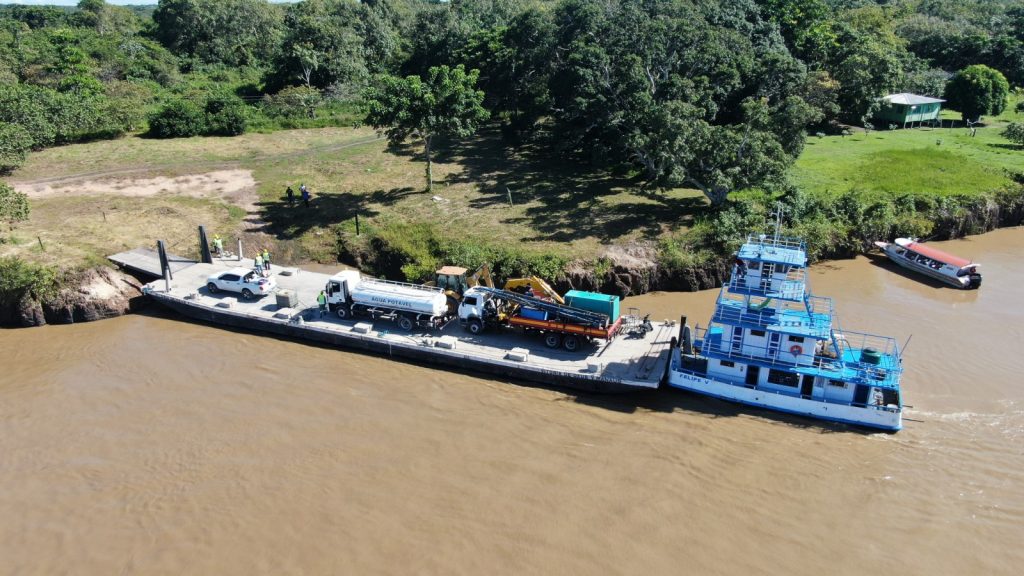
Port Terminal Development Underway
To support efficient logistics, Brazil Potash plans to build a dedicated port terminal on the
Madeira River. In May 2025, the company completed site preparation for this terminal, a key
logistical asset that will support the transport of potash to Brazil’s central farming regions.
By relying on river barges instead of truck transport, the company projects a reduction of up to
1.4 million tons of CO₂ emissions per year compared to traditional methods. This aligns with
Brazil Potash’s stated goal of minimizing environmental impact through smarter infrastructure
planning.
Advancing Environmental Protections
In April 2025, Brazil Potash signed a critical fauna rescue contract with Ecology Suporte
Ambiental e Engenharia. The contract covers the safe relocation of wildlife from areas
scheduled for vegetation suppression and construction. These activities are taking place under
approved vegetation suppression permits, and all rescue operations follow guidelines from
Brazil’s IBAMA and IPAAM agencies.
This move ensures that environmental protection efforts are embedded into every stage of
project development. The fauna rescue program is one of several components of the company’s
broader environmental management plan.
Financial Strength and Construction Readiness
Earlier this year, Brazil Potash reported strong progress on the financial front, including
commercial offtake agreements and access to a $75 million equity line of credit.
Once operational, the project will supply 2.4 million tons of potash annually, with scalable
potential in later phases. With logistics infrastructure in place, environmental safeguards
enforced, Brazil Potash is now positioned to enter the domestic fertilizer market.
ISSUER-PAID ADVERTISEMENT. BRAZIL POTASH CORP., or the “Company,” has or will
pay [] (“Publisher”) in cash $[1000 for marketing services, including
advertisements. This advertisement is part of those issuer-paid marketing services. This
compensation should be viewed as a major conflict with the Publisher's ability to be unbiased.
FORWARD LOOKING STATEMENTS. This publication contains forward-looking statements,
including statements regarding expected continual growth of the featured company and/or
industry. The Publisher notes that statements contained herein that look forward in time, which
include everything other than historical information, involve risks and uncertainties that may
affect the companies’ actual results of operations. Factors that could cause actual results to
differ include, but are not limited to, government regulations concerning potash production, the
size and growth of the market for potash, the companies’ ability to fund its capital requirements
in the near term, the ability to construct the project and long term, pricing pressures, etc.
The post Brazil Potash Moves Forward with Major Milestones at Autazes Project appeared first on MiningFeeds.